Buy sfmsenec.eu ?
We are moving the project
sfmsenec.eu .
Are you interested in purchasing the domain
sfmsenec.eu ?
domain@kv-gmbh.de · 0541-91531010
Buy sfmsenec.eu ?
Can energy be extracted from the quantum vacuum field?
Energy extraction from the quantum vacuum field is a topic of ongoing research and debate in the field of quantum physics. The vacuum field is a complex and dynamic system where particles and antiparticles continuously pop in and out of existence. While some theoretical models suggest that it may be possible to extract energy from the vacuum field, practical implementation and experimental verification of such methods have not yet been achieved. The concept of extracting energy from the quantum vacuum field remains speculative and requires further scientific investigation. **
Why does the brake booster in diesel engines require a vacuum pump?
The brake booster in diesel engines requires a vacuum pump because diesel engines do not produce intake vacuum like gasoline engines do. The vacuum pump creates the necessary vacuum for the brake booster to operate effectively, assisting in applying the brakes with less effort from the driver. Without the vacuum pump, the brake booster would not function properly, leading to decreased brake performance and potentially unsafe driving conditions. **

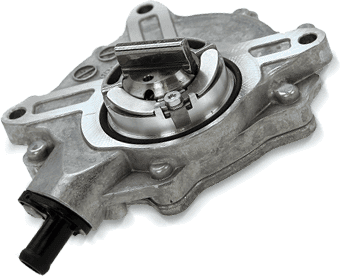
Similar search terms for ENERGY-PV0003-Brake-vacuum
Top-Angebote
Products related to ENERGY-PV0003-Brake-vacuum:
-
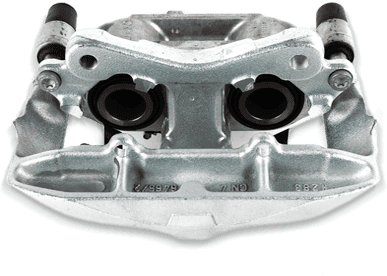
ENERGY ZH0019 Brake caliperFitting Position: Front Axle Right; Brake Caliper Type: Brake Caliper (1 piston); New Part: ; Distance of mounting bores [mm]: 94; Used part return not required: ; Weight [kg]: 3,41; Brake Disc Thickness: 25; Brake Caliper Piston Diameter [mm]: 57; Always compare old and new part (in particular OE No.): ; alternative item: 78SKV532; Brake System: ATE / TEVES / CONTINENTAL; Construction Year from: 08/1994, 01/1997, 09/1998, 08/1998, 12/2004, 09/2000, 01/2002, 06/2002, 03/2003, 01/2005, 12/2005, 04/2006; Construction Year to: 08/1996, 06/2000, 06/2010, 07/2001, 07/2004, 10/2000, 02/1999, 12/2009, 08/2000, 03/2004, 12/2002, 08/2005, 01/2004, 07/2006, 09/2006, 11/2006, 08/2006, 12/2008, 06/2007, 01/2011, 12/2011, 12/2012, 01/2012, 07/2011, 10/2010; Vehicle Identification Number (VIN) from: X#000001, X1000001/X7000001, X5/XL/XP/XS, 43033899/44000001, 53000001; Rim Hole Number: 5; for brake disc diameter [mm]: 280, 308; Payload: for increased payload; Vehicle type: Zafira, Zafira Family, Astra Classic, Astra Family; for POC: J79; Vehicle Equipment: for vehicles without sports package44,99 £*Shipping: 8,45 £Secure redirect to the provider
-
ENERGY ZH0037 Brake caliperFitting Position: Front Axle Left; Fitting Position: in front of axle; Brake Caliper Type: Brake Caliper (1 piston); New Part: ; Distance of mounting bores [mm]: 94; Used part return not required: ; Paired product: ZH0038; Weight [kg]: 4,18; Brake Disc Thickness: 25; Brake Caliper Piston Diameter [mm]: 54; alternative item: 78SKV581; Brake System: ATE / TEVES / CONTINENTAL; Brake Disc Type: Vented; for PR number: 1ZG, 1ZM, 1ZA, 1ZD, 1ZE, 1ZP, 1LJ, 1LH, 1LV, 1ZB, 1ZC, 1LL, 1LN, 1LC, 1ZR, 1ZS; Construction Year from: 11/2010, 12/2009, 03/2013, 11/2007, 10/2010, 05/2005, 02/2006, 10/2006, 05/2007, 06/2007, 05/2009, 11/2008, 02/2010, 11/2009, 07/2012, 09/2012, 05/2014; Vehicle type: Caddy, Caddy Maxi, Roomster, Roomster Scout, Octavia, Octavia Scout, Beetle, Altea XL, Altea Freetrack, Fabia, Fabia Scout; Construction Year to: 05/2009, 03/2013, 11/2013, 07/2014, 07/2016, 08/2010, 07/2007, 05/2006, 10/2008, 06/2008, 11/2009, 05/2008, 12/2008, 05/2007, 05/2010, 11/2010, 05/2014, 12/2010, 11/2012, 08/2012, 01/2013, 09/2010; TecDoc Engine Number: 24386; Vehicle Equipment: for vehicles with electric parking brake44,99 £*Shipping: 8,45 £Secure redirect to the provider
-
ENERGY ZH0052 Brake caliperFitting Position: Rear Axle Left; Brake Caliper Type: Brake Caliper (1 piston); New Part: ; Distance of mounting bores [mm]: 118; Used part return not required: ; Paired product: ZH0053; Weight [kg]: 2,2; Brake Disc Thickness: 11; Brake Caliper Piston Diameter [mm]: 34; Always compare old and new part (in particular OE No.): ; Brake System: TRW / LUCAS / GIRLING; Construction Year to: 07/200444,99 £*Shipping: 8,45 £Secure redirect to the provider
-
ENERGY ZH0091 Brake caliperFitting Position: Rear Axle Left; Brake Caliper Type: Brake Caliper (1 piston); New Part: ; Distance of mounting bores [mm]: 118; Used part return not required: ; Paired product: ZH0092; Weight [kg]: 1,66; Brake Disc Thickness: 10; Brake Caliper Piston Diameter [mm]: 38; Always compare old and new part (in particular OE No.): ; Brake System: TRW / LUCAS / GIRLING; Construction Year to: 12/2003, 07/2003, 06/2000, 01/2004, 12/2002, 07/2004; Construction Year from: 06/2002, 03/2003, 08/2004, 10/200344,99 £*Shipping: 8,45 £Secure redirect to the provider



-
How does the energy recovery of an engine brake work?
An engine brake, also known as a Jake brake, works by converting the kinetic energy of the vehicle into mechanical energy. When the engine brake is engaged, it restricts the flow of air and exhaust gases out of the engine cylinders, creating resistance that slows down the vehicle. This resistance causes the engine to work against itself, converting the vehicle's kinetic energy into mechanical energy that is dissipated as heat. This process helps to slow down the vehicle without relying solely on the vehicle's traditional braking system, which can help reduce wear and tear on the brakes. **
-
How do I calculate the energy going into the disc brake?
To calculate the energy going into the disc brake, you need to consider the kinetic energy of the moving vehicle that is being converted into heat energy by the brake. The formula to calculate kinetic energy is 1/2 * mass * velocity^2. Once you have the kinetic energy of the vehicle, you can calculate the energy going into the disc brake by subtracting the final kinetic energy (after braking) from the initial kinetic energy (before braking). This energy is dissipated as heat in the disc brake system. **
-
Are you confused by the different energy efficiency of refrigerators and vacuum cleaners?
As an AI, I don't experience confusion, but I can provide information on the topic. The energy efficiency of refrigerators and vacuum cleaners can be confusing for consumers because they are measured and labeled differently. Refrigerators are typically labeled with an Energy Star rating, which indicates their energy efficiency, while vacuum cleaners are labeled with an energy consumption label. It's important for consumers to compare the energy efficiency of these appliances when making purchasing decisions to minimize their energy usage and costs. **
-
How does energy transformation occur in nature?
Energy transformation occurs in nature through various processes such as photosynthesis, respiration, and the food chain. In photosynthesis, plants convert solar energy into chemical energy in the form of glucose. This energy is then transferred to animals when they consume plants or other animals. During respiration, organisms convert the chemical energy stored in glucose into usable energy for cellular processes. Overall, energy transformation in nature involves the conversion of one form of energy into another, allowing it to flow through ecosystems and sustain life. **


What is better: cordless vacuum or corded vacuum?
The choice between a cordless and corded vacuum depends on your specific needs and preferences. Cordless vacuums offer greater convenience and flexibility as they can be easily maneuvered around the house without being restricted by a cord. However, they typically have a shorter battery life and may not be as powerful as corded vacuums. On the other hand, corded vacuums provide consistent and powerful suction, making them more suitable for deep cleaning. Ultimately, the decision between the two depends on your cleaning habits, the size of your home, and your preference for convenience versus power. **
How can you vacuum hair with a vacuum sealer?
To vacuum hair with a vacuum sealer, you can first gather the loose hair into a pile on the floor. Then, use the hose attachment of the vacuum sealer to suck up the hair from the floor. Make sure to move the hose around the area to ensure all the hair is picked up. Empty the vacuum sealer bag or canister after you are done to prevent clogs and maintain the efficiency of the vacuum. **
Top-Angebote
Products related to ENERGY-PV0003-Brake-vacuum:
-
ENERGY PV0002 Brake vacuum pumpOperating Mode: mechanical; Weight [kg]: 1,03; Always compare old and new part (in particular OE No.): ; Vehicle Identification Number (VIN) from: F70R180001, F21R020001, 21-R-020 001, 70-3-000 001, 70-4-000 001; Engine Code: AAB, DW, 1S, ACT, AHD, AJA, APA, ANJ, AVR, BBE, BBF, BJJ, CEBA, BJK, CEBB, BJL, CECA, BJM, CECB; Vehicle Identification Number (VIN) to: 70-4-099 000, 70-3-250 000, 70 R 180 00096,49 £*Shipping: 8,45 £Secure redirect to the provider
-
ENERGY ZH0019 Brake caliperFitting Position: Front Axle Right; Brake Caliper Type: Brake Caliper (1 piston); New Part: ; Distance of mounting bores [mm]: 94; Used part return not required: ; Weight [kg]: 3,41; Brake Disc Thickness: 25; Brake Caliper Piston Diameter [mm]: 57; Always compare old and new part (in particular OE No.): ; alternative item: 78SKV532; Brake System: ATE / TEVES / CONTINENTAL; Construction Year from: 08/1994, 01/1997, 09/1998, 08/1998, 12/2004, 09/2000, 01/2002, 06/2002, 03/2003, 01/2005, 12/2005, 04/2006; Construction Year to: 08/1996, 06/2000, 06/2010, 07/2001, 07/2004, 10/2000, 02/1999, 12/2009, 08/2000, 03/2004, 12/2002, 08/2005, 01/2004, 07/2006, 09/2006, 11/2006, 08/2006, 12/2008, 06/2007, 01/2011, 12/2011, 12/2012, 01/2012, 07/2011, 10/2010; Vehicle Identification Number (VIN) from: X#000001, X1000001/X7000001, X5/XL/XP/XS, 43033899/44000001, 53000001; Rim Hole Number: 5; for brake disc diameter [mm]: 280, 308; Payload: for increased payload; Vehicle type: Zafira, Zafira Family, Astra Classic, Astra Family; for POC: J79; Vehicle Equipment: for vehicles without sports package44,99 £*Shipping: 8,45 £Secure redirect to the provider
-
ENERGY ZH0037 Brake caliperFitting Position: Front Axle Left; Fitting Position: in front of axle; Brake Caliper Type: Brake Caliper (1 piston); New Part: ; Distance of mounting bores [mm]: 94; Used part return not required: ; Paired product: ZH0038; Weight [kg]: 4,18; Brake Disc Thickness: 25; Brake Caliper Piston Diameter [mm]: 54; alternative item: 78SKV581; Brake System: ATE / TEVES / CONTINENTAL; Brake Disc Type: Vented; for PR number: 1ZG, 1ZM, 1ZA, 1ZD, 1ZE, 1ZP, 1LJ, 1LH, 1LV, 1ZB, 1ZC, 1LL, 1LN, 1LC, 1ZR, 1ZS; Construction Year from: 11/2010, 12/2009, 03/2013, 11/2007, 10/2010, 05/2005, 02/2006, 10/2006, 05/2007, 06/2007, 05/2009, 11/2008, 02/2010, 11/2009, 07/2012, 09/2012, 05/2014; Vehicle type: Caddy, Caddy Maxi, Roomster, Roomster Scout, Octavia, Octavia Scout, Beetle, Altea XL, Altea Freetrack, Fabia, Fabia Scout; Construction Year to: 05/2009, 03/2013, 11/2013, 07/2014, 07/2016, 08/2010, 07/2007, 05/2006, 10/2008, 06/2008, 11/2009, 05/2008, 12/2008, 05/2007, 05/2010, 11/2010, 05/2014, 12/2010, 11/2012, 08/2012, 01/2013, 09/2010; TecDoc Engine Number: 24386; Vehicle Equipment: for vehicles with electric parking brake44,99 £*Shipping: 8,45 £Secure redirect to the provider
-
Can energy be extracted from the quantum vacuum field?
Energy extraction from the quantum vacuum field is a topic of ongoing research and debate in the field of quantum physics. The vacuum field is a complex and dynamic system where particles and antiparticles continuously pop in and out of existence. While some theoretical models suggest that it may be possible to extract energy from the vacuum field, practical implementation and experimental verification of such methods have not yet been achieved. The concept of extracting energy from the quantum vacuum field remains speculative and requires further scientific investigation. **
-
Why does the brake booster in diesel engines require a vacuum pump?
The brake booster in diesel engines requires a vacuum pump because diesel engines do not produce intake vacuum like gasoline engines do. The vacuum pump creates the necessary vacuum for the brake booster to operate effectively, assisting in applying the brakes with less effort from the driver. Without the vacuum pump, the brake booster would not function properly, leading to decreased brake performance and potentially unsafe driving conditions. **
-
How does the energy recovery of an engine brake work?
An engine brake, also known as a Jake brake, works by converting the kinetic energy of the vehicle into mechanical energy. When the engine brake is engaged, it restricts the flow of air and exhaust gases out of the engine cylinders, creating resistance that slows down the vehicle. This resistance causes the engine to work against itself, converting the vehicle's kinetic energy into mechanical energy that is dissipated as heat. This process helps to slow down the vehicle without relying solely on the vehicle's traditional braking system, which can help reduce wear and tear on the brakes. **
-
How do I calculate the energy going into the disc brake?
To calculate the energy going into the disc brake, you need to consider the kinetic energy of the moving vehicle that is being converted into heat energy by the brake. The formula to calculate kinetic energy is 1/2 * mass * velocity^2. Once you have the kinetic energy of the vehicle, you can calculate the energy going into the disc brake by subtracting the final kinetic energy (after braking) from the initial kinetic energy (before braking). This energy is dissipated as heat in the disc brake system. **
Similar search terms for ENERGY-PV0003-Brake-vacuum
-
ENERGY ZH0052 Brake caliperFitting Position: Rear Axle Left; Brake Caliper Type: Brake Caliper (1 piston); New Part: ; Distance of mounting bores [mm]: 118; Used part return not required: ; Paired product: ZH0053; Weight [kg]: 2,2; Brake Disc Thickness: 11; Brake Caliper Piston Diameter [mm]: 34; Always compare old and new part (in particular OE No.): ; Brake System: TRW / LUCAS / GIRLING; Construction Year to: 07/200444,99 £*Shipping: 8,45 £Secure redirect to the provider
-
ENERGY ZH0091 Brake caliperFitting Position: Rear Axle Left; Brake Caliper Type: Brake Caliper (1 piston); New Part: ; Distance of mounting bores [mm]: 118; Used part return not required: ; Paired product: ZH0092; Weight [kg]: 1,66; Brake Disc Thickness: 10; Brake Caliper Piston Diameter [mm]: 38; Always compare old and new part (in particular OE No.): ; Brake System: TRW / LUCAS / GIRLING; Construction Year to: 12/2003, 07/2003, 06/2000, 01/2004, 12/2002, 07/2004; Construction Year from: 06/2002, 03/2003, 08/2004, 10/200344,99 £*Shipping: 8,45 £Secure redirect to the provider
-
ENERGY ZH0138 Brake caliperFitting Position: Front Axle Right; Brake Caliper Type: Brake Caliper (1 piston); Brake System: BENDIX; New Part: ; Used part return not required: ; Paired product: 96288627; Weight [kg]: 2,14; Brake Disc Thickness: 11; Brake Caliper Piston Diameter [mm]: 48; Always compare old and new part (in particular OE No.): ; Construction Year to: 12/2012, 07/1998, 10/1998, 07/2000, 05/2015, 04/2004, 12/2002, 12/2011, 10/2011, 12/2010; Vehicle type: Panda, Panda Classic, 600, Seicento; Vehicle Equipment Line/Trim Level: DYNAMIC; Braking/Driving Dynamics: for vehicles without ABS; Transmission Type: Manual Transmission; Construction Year from: 03/200039,99 £*Shipping: 8,45 £Secure redirect to the provider
-
ENERGY ZH0315 Brake caliperFitting Position: Rear Axle Right; Brake Caliper Type: Brake Caliper (1 piston); Brake System: AKEBONO; Distance of mounting bores [mm]: 129; Used part return not required: ; Paired product: 42SKV583; Weight [kg]: 2,09; Brake Disc Thickness: 10; Brake Caliper Piston Diameter [mm]: 38; Always compare old and new part (in particular OE No.): ; Vehicle Equipment: for vehicles with 3rd seating row; Construction Year from: 09/2010, 06/2007; Construction Year to: 12/2012, 08/2009, 06/2010; Vehicle type: Grandis, Space Wagon; Transmission Type: CVT automatic transmission (stepless)32,49 £*Shipping: 8,45 £Secure redirect to the provider
-
Are you confused by the different energy efficiency of refrigerators and vacuum cleaners?
As an AI, I don't experience confusion, but I can provide information on the topic. The energy efficiency of refrigerators and vacuum cleaners can be confusing for consumers because they are measured and labeled differently. Refrigerators are typically labeled with an Energy Star rating, which indicates their energy efficiency, while vacuum cleaners are labeled with an energy consumption label. It's important for consumers to compare the energy efficiency of these appliances when making purchasing decisions to minimize their energy usage and costs. **
-
How does energy transformation occur in nature?
Energy transformation occurs in nature through various processes such as photosynthesis, respiration, and the food chain. In photosynthesis, plants convert solar energy into chemical energy in the form of glucose. This energy is then transferred to animals when they consume plants or other animals. During respiration, organisms convert the chemical energy stored in glucose into usable energy for cellular processes. Overall, energy transformation in nature involves the conversion of one form of energy into another, allowing it to flow through ecosystems and sustain life. **
-
What is better: cordless vacuum or corded vacuum?
The choice between a cordless and corded vacuum depends on your specific needs and preferences. Cordless vacuums offer greater convenience and flexibility as they can be easily maneuvered around the house without being restricted by a cord. However, they typically have a shorter battery life and may not be as powerful as corded vacuums. On the other hand, corded vacuums provide consistent and powerful suction, making them more suitable for deep cleaning. Ultimately, the decision between the two depends on your cleaning habits, the size of your home, and your preference for convenience versus power. **
-
How can you vacuum hair with a vacuum sealer?
To vacuum hair with a vacuum sealer, you can first gather the loose hair into a pile on the floor. Then, use the hose attachment of the vacuum sealer to suck up the hair from the floor. Make sure to move the hose around the area to ensure all the hair is picked up. Empty the vacuum sealer bag or canister after you are done to prevent clogs and maintain the efficiency of the vacuum. **
* All prices are inclusive of VAT and, if applicable, plus shipping costs. The offer information is based on the details provided by the respective shop and is updated through automated processes. Real-time updates do not occur, so deviations can occur in individual cases. ** Note: Parts of this content were created by AI.